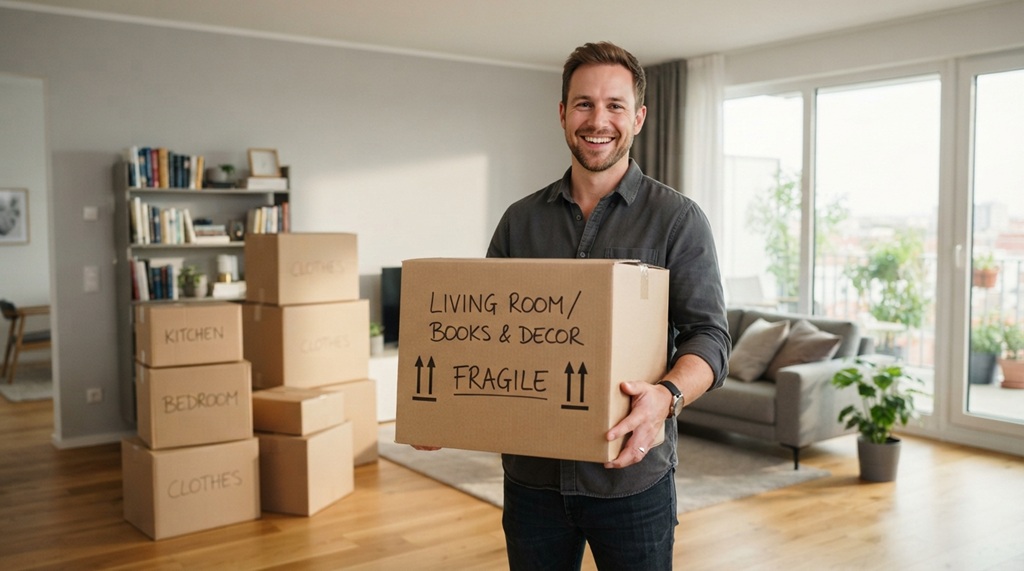
The right moving tips turn a chaotic relocation into a smooth, manageable process. Start planning eight weeks before your move date, declutter early, hire vetted movers, and build a room-by-room packing system. These five habits prevent most of the stress people associate with moving day.
Moving ranks among life’s most disruptive events, right up there with divorce and job loss, according to industry experts. But most of that stress comes from poor planning, not the move itself. Once you break the process into small, sequential steps, relocation becomes a checklist you work through not a crisis you survive.
This guide walks you through every stage of a stress-free move, from the first phone call to your movers all the way to unpacking your last box.
How Far in Advance Should You Start Planning Your Move?
Start planning your move at least six to eight weeks before your move date. This window gives you enough time to research movers, declutter your home, and handle address changes without rushing.
Here’s a simple planning timeline:
- 8 weeks out: Research and book moving companies. Good movers get booked fast, especially during summer months.
- 6 weeks out: Start decluttering room by room. Sell, donate, or toss anything you won’t use in your new home.
- 4 weeks out: Begin packing non-essential items. Order packing supplies if you haven’t already.
- 2 weeks out: Confirm moving day details. Notify utility companies, banks, and subscription services of your address change.
- 1 week out: Pack a “first night” box. Confirm final logistics with your moving company.
If you’re relocating for a real estate transaction with a tight closing date, this timeline compresses fast. Talk to your real estate agent as soon as you have a closing date so you can reverse-engineer your moving schedule from there.
Choosing a Reliable Moving Company
Finding a trustworthy moving company requires verifying active state or federal licensing, evaluating recent customer reviews, and securing itemized written estimates from at least three different providers—a crucial vetting step that prevents the unexpected fees and logistical nightmares common to rushed relocations. Once your movers are booked, direct your focus toward finding a home that fits your lifestyle; exploring property insights: The key to finding ideal rentals will guide you in evaluating neighborhood amenities, comparing lease terms, and selecting a property that aligns with your timeline.
What to Check Before You Book
A legitimate moving company should have a valid USDOT number if they operate across state lines. You can verify this number through the Federal Motor Carrier Safety Administration’s website. Never wire money or pay a large deposit before confirming a company’s credentials.
Look past star ratings and read the actual review text. Pay close attention to how a company handles complaints, since that tells you more than a perfect five-star average.
Questions to Ask Every Mover
Ask each moving company these questions before signing anything:
- Is the estimate binding or non-binding?
- What’s included in the base price, and what costs extra?
- How do you handle damaged or lost items?
- What’s your cancellation policy?
- Do you subcontract the job to another company?
Get every answer in writing. Verbal promises mean nothing if a dispute arises later.
How Do You Declutter Before a Move?
Declutter before a move by sorting every room into four categories: keep, donate, sell, and discard. Doing this before you pack saves you money on moving costs and time on unpacking later.
Movers often charge by weight or by truck space, so every item you eliminate saves you cash. A general rule many professional organizers use: if you haven’t touched something in twelve months, you probably don’t need it in your new home.
Work room by room instead of tackling your whole house at once. This approach feels less overwhelming and keeps you from losing momentum halfway through. Start with low-emotion spaces like the garage or linen closet before moving to sentimental areas like a childhood bedroom or family photo boxes.
For real estate transactions specifically, decluttering early also helps if you’re staging your current home for sale. A lighter, cleaner space photographs better and shows better to buyers walking through open houses.
What’s the Best Way to Pack for a Move?
The best way to pack for a move is to pack one room at a time, label every box clearly, and keep an inventory list as you go. This system prevents lost items and speeds up unpacking dramatically.
Packing Supplies You’ll Actually Need
Skip the improvised newspaper-and-grocery-bag approach. Instead, gather these supplies ahead of time:
- Sturdy moving boxes in multiple sizes
- Packing paper or bubble wrap for fragile items
- Heavy-duty packing tape
- Permanent markers for labeling
- Furniture blankets or moving pads
A Smarter Labeling System
Most people label boxes by room, which helps movers but doesn’t help you. Add one extra detail: label each box with a priority level, like “open first,” “open this week,” or “no rush.” This small change saves you from digging through a dozen boxes just to find your coffee maker on move-in morning.
Photograph the back of electronics before you unplug them. This step takes thirty seconds and eliminates the guesswork of remembering which cable goes where once you’re setting up in your new place.
How Do You Handle Moving Day Logistics?

Handle moving day logistics by confirming your movers’ arrival window the night before, keeping essential documents with you personally, and doing a final walkthrough before locking up.
Keep a folder with your lease or closing paperwork, IDs, and moving company contract in your car or bag never in a box on the truck. If anything goes wrong with the move, you’ll need quick access to these documents.
Do a final walkthrough of every room, closet, and cabinet before the movers leave. Check the attic, garage, and any outdoor storage sheds too. It’s easy to forget items in these spaces during the chaos of moving day.
If you’re closing on a home the same week you move, coordinate timing carefully with your real estate agent. Many buyers schedule their move a day or two after closing to allow for any last-minute delays at the title office.
How Do You Settle Into a New Home Quickly?
Settle into a new home quickly by unpacking essential rooms first, setting up utilities before arrival, and unpacking within the first week instead of letting boxes linger for months.
Prioritize your kitchen and bathroom first, since these rooms get used daily and make the house feel livable fast. Bedrooms come next, followed by common areas like the living room.
Schedule utility setup electricity, water, internet to activate the day you arrive, not the day after. A cold house with no internet on night one adds unnecessary stress to an already long day.
Set a personal deadline to finish unpacking within seven to ten days. Boxes that sit unopened for months rarely get unpacked at all; they just become permanent storage clutter in a new location.
Frequently Asked Questions
How much does a local move typically cost?
Local move costs vary widely based on home size, distance, and whether you hire full-service movers or a truck rental. Get quotes from at least three companies to understand pricing in your specific area, since national averages rarely reflect local market rates.
Should I move myself or hire professional movers?
Choose based on your budget, timeline, and how much heavy lifting you’re willing to do yourself. A DIY move with a rental truck saves money but demands more of your time and physical effort, while professional movers cost more but save you days of labor.
What should I pack in my “first night” box?
Pack toiletries, a change of clothes, phone chargers, basic tools, and any medications in your first night box. Include snacks and a few paper plates too, since your kitchen boxes likely won’t get unpacked until day two or three.
How do I update my address after moving?
Update your address with the USPS first, since their forwarding service catches most missed mail during the transition. Then update your bank, employer, insurance providers, and any subscription services individually over your first few weeks.
Is it better to move during a specific season?
Late fall through winter typically offers lower moving costs and more flexible scheduling, since summer is peak moving season for families timing moves around the school year. If your schedule allows flexibility, an off-peak move often means better rates and more available moving dates.
Final Thoughts
A stress-free move comes down to starting early, staying organized, and breaking the process into manageable steps. Book your movers weeks in advance, declutter before you pack, and give yourself a realistic timeline for settling in.
Whether you’re relocating across town or across the country, the same principles apply: plan ahead, stay organized, and don’t try to do everything in the final week. Your future self unpacking in a calm, organized new home will thank you for it.