Owning a home on a small lot brings unique challenges, especially for wastewater management. Traditional septic systems often require large drain fields, which may not fit on compact properties. However, innovative alternatives offer sustainable solutions that save space and protect the environment. These systems ensure efficient waste treatment without compromising your yard’s usability. According to the U.S. Environmental Protection Agency (EPA), over 20% of U.S. households rely on septic systems, and many face spatial constraints. Exploring alternatives can help homeowners avoid costly upgrades or environmental issues.
My own experience with a small lot taught me the value of these systems. When I moved into a cozy rural home, the existing septic system struggled to meet local regulations due to limited space. After researching, I found compact, eco-friendly options that transformed my property’s wastewater management. This guide shares actionable insights to help you choose the best septic system alternative for your small lot. Let’s dive into the options, their benefits, and practical tips for implementation.
Understanding the Challenges of Small Lots
Small lots, typically under half an acre, pose significant hurdles for traditional septic systems. These systems need expansive drain fields to disperse treated wastewater, which can occupy 1,000 square feet or more, per the EPA. On compact properties, this space is often unavailable, leading to regulatory violations or system failures. Additionally, small lots may have poor soil conditions or high water tables, complicating wastewater treatment.
Homeowners must also consider local zoning laws, which may restrict system placement near property lines or water sources. For instance, a 2019 study by the National Onsite Wastewater Recycling Association (NOWRA) found that 30% of small-lot owners faced permitting issues due to spatial limitations. These challenges make alternatives not just practical but necessary.
When I faced similar restrictions, I learned that understanding my lot’s soil type and local regulations was critical. Consulting a professional helped me identify viable options. To overcome these obstacles, consider systems designed for minimal space and high efficiency, which we’ll explore next.
Assess Your Lot
- Hire a soil scientist to test your property’s soil and percolation rate.
- Check local regulations for setback requirements and system approvals.
- Measure available space to determine suitable system sizes.
Compact Septic System Alternatives
Several septic system alternatives cater to small lots, offering efficient wastewater treatment in limited spaces. Below, we discuss the most effective options, their benefits, and considerations for installation.
Mound Systems
Mound systems elevate the drain field above ground, making them ideal for lots with high water tables or poor soil. Wastewater is pumped into a sand-filled mound, where it’s treated before dispersing. According to the EPA, mound systems can reduce land use by up to 50% compared to traditional systems. However, they require regular maintenance and may alter your yard’s aesthetics.
When I considered a mound system, I was concerned about its appearance. A landscaper helped me integrate it with native plants, blending it seamlessly into my yard. These systems are reliable but need periodic inspections to ensure proper function.
Aerobic Treatment Units (ATUs)
Aerobic treatment units use oxygen to break down waste, producing cleaner effluent than traditional systems. They require less drain field space, making them perfect for small lots. A 2020 NOWRA report noted that ATUs can reduce drain field size by 60%. However, they rely on electricity and need professional maintenance.
I visited a neighbor using an ATU and was impressed by its efficiency. Though installation costs are higher, the space savings justified the investment. Ensure a reliable power source and schedule annual checkups.
Constructed Wetlands
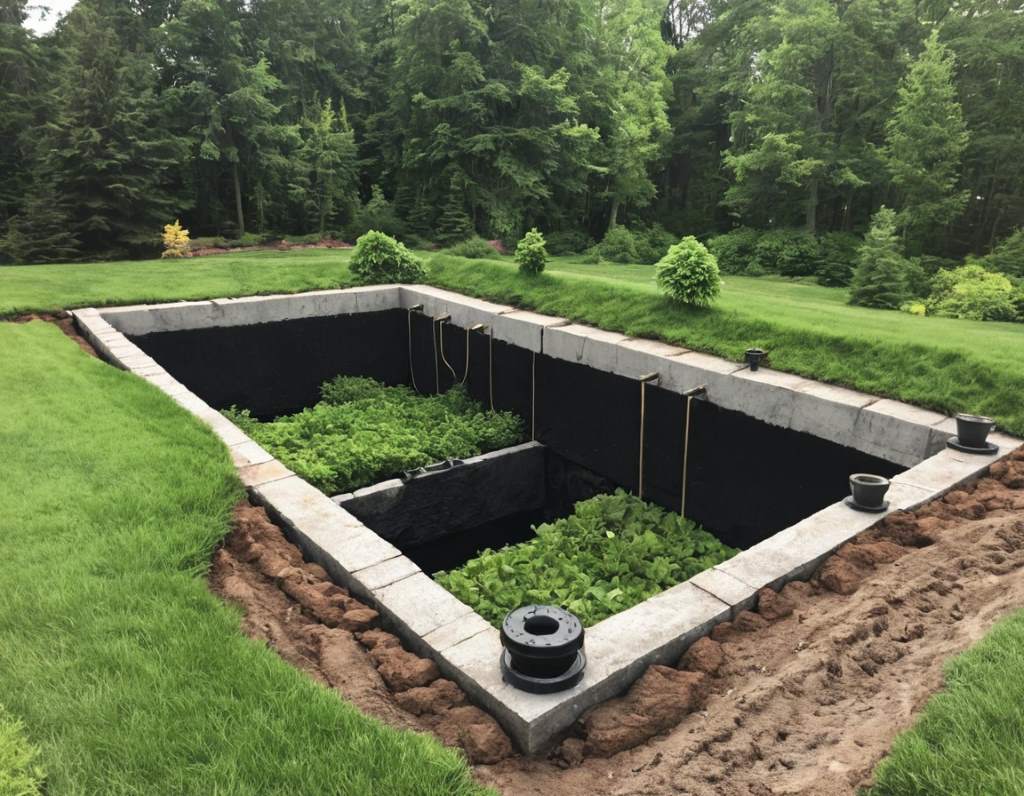
Constructed wetlands mimic natural processes, using plants and microbes to treat wastewater. They’re eco-friendly and require minimal space, often fitting in areas as small as 200 square feet. The EPA highlights their low energy use and aesthetic appeal. However, they may not suit cold climates.
I explored this option but found my region’s winters too harsh. If you’re in a milder climate, wetlands offer a green, low-maintenance solution. Consult an expert to design a system tailored to your lot.
Choose the Right System
- Compare system costs, maintenance needs, and space requirements.
- Consult a local wastewater professional to evaluate your lot’s suitability.
- Prioritize systems that align with your climate and budget.
Eco-Friendly Benefits of Septic Alternatives

Septic system alternatives not only save space but also promote environmental sustainability. Traditional systems can leak untreated wastewater, contaminating groundwater. In contrast, alternatives like ATUs and wetlands produce cleaner effluent, reducing pollution. The EPA estimates that advanced systems cut nitrogen pollution by up to 70%, protecting local water bodies.
Additionally, these systems often use less energy. For example, constructed wetlands rely on natural processes, eliminating electricity costs. Mound systems, while requiring pumps, can incorporate energy-efficient models. A 2021 study by the Water Environment Federation found that eco-friendly systems reduced carbon footprints by 25% compared to conventional setups.
My switch to an ATU lowered my environmental impact and earned praise from eco-conscious neighbors. These systems also enhance property value by meeting modern regulatory standards. To maximize benefits, pair your system with water-saving fixtures to reduce wastewater volume.
Boost Sustainability
- Install low-flow toilets and showerheads to minimize wastewater.
- Use biodegradable cleaning products to protect system microbes.
- Monitor system performance to prevent leaks or overflows.
Installation and Maintenance Tips
Proper installation and maintenance are crucial for septic system alternatives. Start by hiring a licensed contractor familiar with local regulations. The EPA recommends verifying permits and ensuring systems meet state standards. For instance, mound systems require precise sand layering, while ATUs need proper aeration setup.
Maintenance varies by system. ATUs demand quarterly inspections and pump cleanings, costing $200–$400 annually, per NOWRA. Wetlands need plant upkeep, while mound systems require pump checks. Neglecting maintenance can lead to system failure, costing thousands to repair.
My ATU required a learning curve, but a maintenance contract simplified the process. Schedule regular checkups and keep records of all services. Additionally, avoid flushing non-biodegradable items, as they can clog systems. By staying proactive, you’ll extend your system’s lifespan and avoid costly issues.
Maintain Your System
- Sign a maintenance contract with a certified technician.
- Avoid planting trees near systems to prevent root damage.
- Keep a log of inspections and repairs for future reference.
Cost Considerations and Financial Incentives
Septic system alternatives vary in cost, influenced by installation, maintenance, and lot conditions. Mound systems range from $10,000 to $20,000, per the EPA, while ATUs cost $8,000–$15,000. Constructed wetlands are often cheaper, starting at $5,000. Maintenance adds $200–$500 annually, depending on the system.
However, financial incentives can offset costs. The U.S. Department of Agriculture offers rural development grants for wastewater upgrades, covering up to 50% of costs for eligible homeowners. Some states provide tax credits for eco-friendly systems. Check with your local health department for available programs.
I benefited from a state grant that covered 30% of my ATU installation. Researching incentives saved me thousands. To maximize savings, get multiple quotes from contractors and explore financing options. Investing in a quality system now prevents expensive repairs later.
Save on Costs
- Research federal, state, and local grants for septic upgrades.
- Compare contractor quotes to find cost-effective solutions.
- Budget for annual maintenance to avoid unexpected expenses.
Conclusion
Septic system alternatives offer practical, eco-friendly solutions for small lots, ensuring efficient wastewater management without sacrificing space. From mound systems to constructed wetlands, these options cater to diverse needs and budgets. By understanding your lot’s limitations, choosing the right system, and maintaining it properly, you can protect your property and the environment. My journey with a small lot showed me that with the right approach, compact spaces can thrive with sustainable systems.
Take the first step today by assessing your lot and consulting a professional. Share your thoughts or questions in the comments below, and don’t forget to spread the word by sharing this article with others facing similar challenges. Together, we can build greener, smarter homes.
FAQs
What are the best septic system alternatives for small lots?
Mound systems, aerobic treatment units, and constructed wetlands are ideal, as they require less space and treat wastewater efficiently.
How much do septic system alternatives cost?
Costs range from $5,000 for wetlands to $20,000 for mound systems, with annual maintenance fees of $200–$500.
Are there eco-friendly septic alternatives?
Yes, constructed wetlands and ATUs reduce pollution and energy use, cutting nitrogen output by up to 70%, per the EPA.
Can I install a septic alternative myself?
No, professional installation is required to meet local regulations and ensure system efficiency. Hire a licensed contractor.
Are there grants for septic system upgrades?
Yes, USDA rural grants and state programs can cover up to 50% of costs. Check with your local health department.