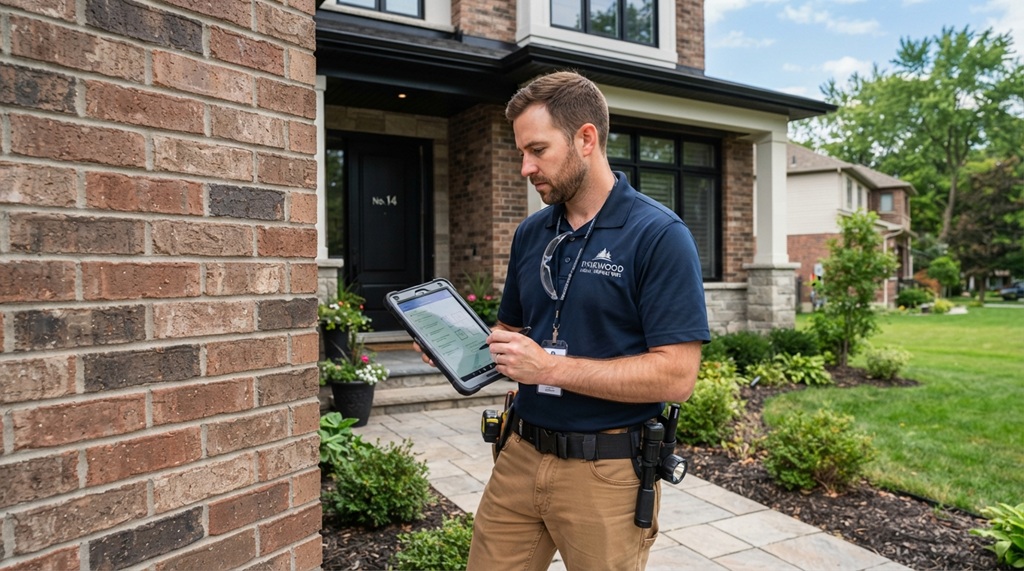
A home inspection is vital because it reveals hidden problems before you commit to the purchase. A trained inspector checks the structure, systems, and safety of the property. That report helps you avoid costly surprises and negotiate with confidence.
Buying a home is likely the biggest purchase you will ever make. A house can look perfect and still hide serious defects. Fresh paint and staged furniture can cover cracks, leaks, and faulty wiring.
This guide explains what an inspection covers, what it costs you if you skip it, and how to get the most from it. By the end, you will know why smart buyers book one every time.
What Is a Home Inspection?
A home inspection is a visual check of a property’s condition, carried out by a qualified professional. The inspector examines the major parts of the house and then writes a detailed report. You use that report to decide whether to buy, negotiate, or walk away.
The inspection is non-invasive. The inspector does not open walls or dig up the garden. Instead, they look, test, and document what they can reach and see.
What Inspectors Usually Check
Most inspectors review the same core areas. These include:
- Roof, gutters, and chimney
- Foundation, walls, floors, and ceilings
- Electrical system and wiring
- Plumbing, pipes, and water heater
- Heating and cooling systems
- Windows, doors, and insulation
- Attic, basement, or crawl space
What Inspectors Usually Cannot Check
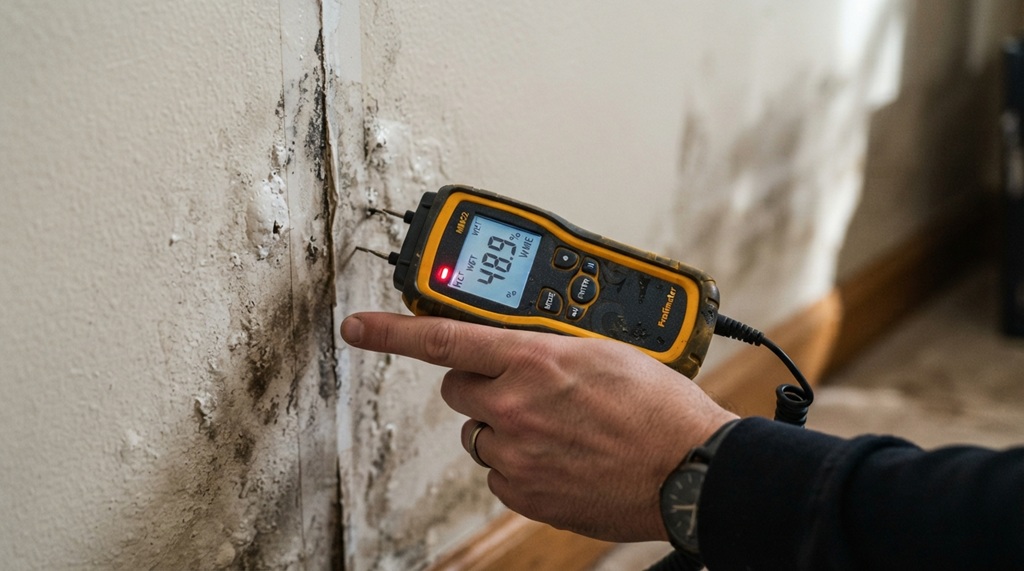
An inspection has limits. Inspectors generally cannot see behind sealed walls or under fixed flooring. They also may not test for specialist issues such as radon, mold, or pests unless you request those services. Ask your inspector what is included before you book.
Why a Home Inspection Is Vital Before Buying
An inspection protects you from buying a property with expensive hidden faults. It gives you facts instead of guesses. With a clear picture, you can make a smart decision rather than an emotional one.
Here are the main reasons it matters.
It Uncovers Hidden Defects
Many serious problems are invisible to the untrained eye. A small stain on a ceiling may point to a roof leak. A slightly sloping floor may signal foundation movement. An inspector knows these warning signs and can explain what they mean.
It Protects Your Budget
Repair bills can be huge. Fixing a roof, replacing old wiring, or repairing a damaged foundation can cost thousands. Finding these issues early lets you plan for them, or avoid the house altogether.
It Gives You Negotiating Power
A written report is strong evidence. If the inspector finds defects, you can ask the seller to repair them. You can also request a lower price or a repair credit. Sellers often respond better to documented findings than to vague complaints.
It Improves Safety
Some defects are dangerous, not just expensive. Faulty wiring can cause fires. Gas leaks and poor ventilation can harm your family. An inspection helps you spot these risks before you move in.
It Gives You Peace of Mind
Even a clean report is valuable. It confirms that the home is in good shape. You can sign the papers knowing you made an informed choice.
What Can Go Wrong If You Skip the Inspection?
If you skip the inspection, you take on every hidden risk yourself. Once the sale closes, the repair bills belong to you. Most sellers are not required to fix problems you missed.
Consider a simple example. A buyer falls in love with a charming older house and waives the inspection to win a competitive bid. Three months later, the plumbing fails and the basement floods. The repair costs far more than the inspection would have.
Skipping the inspection can also lead to these problems:
- Unexpected repair bills right after you move in
- Trouble getting insurance for an unsafe property
- Lower resale value if defects go unfixed
- Stress and regret over a rushed decision
An inspection typically costs a small fraction of the home’s price. That makes it one of the best-value steps in the buying process.
When to Schedule Your Home Inspection
Timing is critical once your purchase offer is accepted, as real estate contracts typically enforce a strict inspection window that leaves little room for delay. Securing an inspection immediately protects your contractual right to negotiate repairs or cancel the purchase under a “subject to inspection” contingency clause before your deadline expires. Because highly qualified inspectors often maintain tight schedules, booking within the first few days ensures a thorough assessment without stalling your closing timeline. Planning to rent before purchasing? Learn why tenant advice is crucial for first-time renters to protect your rights and budget.
How to Choose a Qualified Home Inspector
Choose an inspector who is licensed, experienced, and independent. The right person will explain problems clearly and give you an honest report. A poor choice can leave you with a rushed or incomplete review.
Use these tips when comparing inspectors:
- Check credentials. Confirm the inspector holds the license or certification required in your area.
- Ask about experience. Find out how many years they have worked and what property types they know.
- Read reviews. Look for consistent praise about thoroughness and communication.
- Request a sample report. A clear, detailed sample shows how they work.
- Confirm insurance. Professional liability coverage is a good sign.
Avoid inspectors recommended only by the seller or the listing agent if you can. An independent professional works for you alone. Your own agent can still suggest trusted names, which is a good starting point.
How to Prepare for the Inspection Day
Preparation helps you get more value from the visit. A few simple steps make the process smoother. Plan to attend the inspection in person if you can.
Follow these steps:
- Confirm the date, time, and access with the seller or agent.
- Make sure utilities are on so the inspector can test systems.
- Write down questions about areas that concern you.
- Bring a notebook or phone to take photos and notes.
- Allow two to three hours for an average-sized home.
Being present lets you see problems with your own eyes. The inspector can also show you how to maintain the home. This knowledge is useful long after you move in.
How to Read and Use Your Inspection Report
Read the report carefully and focus on the biggest issues first. Most reports include photos, descriptions, and priority notes. Do not panic if the list looks long. Almost every home has some flaws.
Sort the findings into three groups:
- Major problems: Structural damage, roof failure, electrical hazards, or serious water damage.
- Moderate repairs: Items that need attention soon, such as aging appliances or worn seals.
- Minor issues: Cosmetic flaws and small maintenance tasks.
Next, decide what matters most to you. You can ask the seller to fix major items, lower the price, or provide a credit. If the problems are too big or too costly, you may choose to walk away. Your agent can guide you through these choices.
Frequently Asked Questions
How much does a home inspection cost?
Costs vary by location, home size, and age. Larger or older homes usually cost more. Ask for a quote in advance, and remember that the fee is small compared with a major repair bill.
How long does a home inspection take?
Most inspections take two to three hours for a typical home. Large properties or homes with many issues may take longer. The inspector usually delivers the written report within a day or two.
Can a house fail a home inspection?
No, a home does not pass or fail. The inspector reports on its condition and lists any defects. You then decide whether the findings are acceptable.
Should I get an inspection on a new-build home?
Yes, new homes can have construction errors too. Builders and subcontractors sometimes make mistakes or miss details. An inspection helps you catch them while the builder can still fix them.
Do I need to be there during the inspection?
You do not have to attend, but it is strongly recommended. Being there helps you understand each issue. You can also ask questions and see problems firsthand.
Conclusion
A home inspection is vital before buying because it shows you the true condition of the property. It reveals hidden defects, protects your budget, improves safety, and strengthens your negotiating position. Skipping it can turn a dream home into a costly burden.
Your next step is simple. Once your offer is accepted, hire a licensed, independent inspector right away. Book your home inspection today and buy with confidence.