
Buying a home is exciting, but hidden defects can turn your dream into a nightmare. A thorough home inspection uncovers issues that could cost thousands to fix. According to the American Society of Home Inspectors (ASHI), 88% of home buyers opt for inspections, yet many overlook subtle problems. This blog post reveals 11 hidden home inspection defects often found during inspections. By understanding these, you can make informed decisions and avoid costly surprises. Whether you’re a first-time buyer or a seasoned homeowner, these insights will help you protect your investment. Let’s dive in and explore what inspectors might uncover.
My own experience taught me this lesson. When I bought my first home, I skipped a detailed inspection to save money. Months later, I faced a $10,000 roof repair. Don’t make my mistake—knowledge is power.
1. Faulty Electrical Wiring
Electrical issues are common but dangerous. Inspectors often find outdated wiring, like knob-and-tube systems, in older homes. These can’t handle modern appliances and pose fire risks. The National Fire Protection Association (NFPA) reports that electrical failures cause 13% of home fires. Look for flickering lights or warm outlets during walkthroughs.
Hire a licensed electrician for a detailed check if the inspector flags concerns. Upgrading wiring costs $1,500–$5,000, but it’s cheaper than rebuilding after a fire. Ask for repair receipts to ensure compliance with local codes. Faulty wiring isn’t always visible, so trust your inspector’s expertise.
2. Leaky Roofs and Missing Shingles
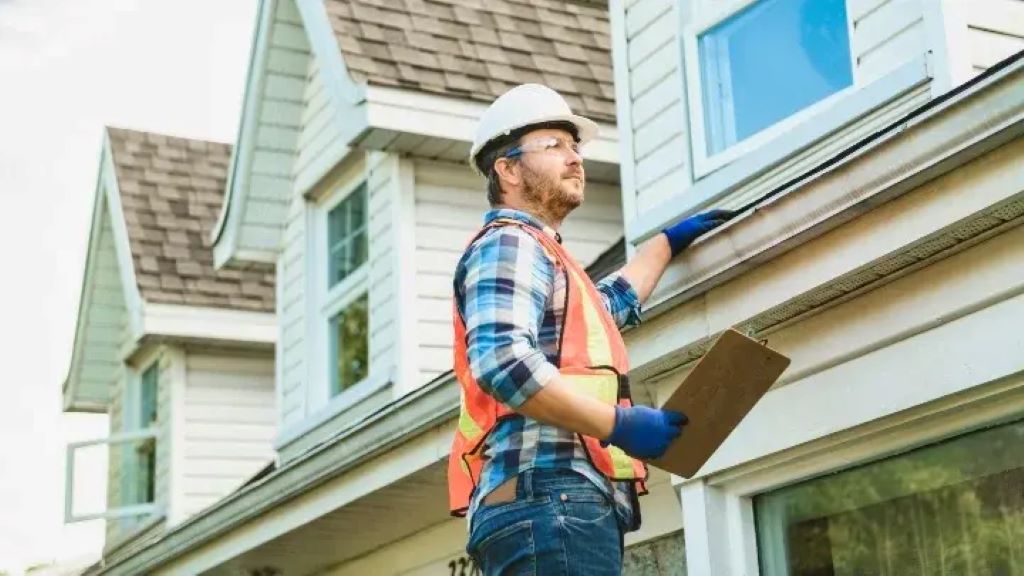
Roofs take a beating from weather, and damage isn’t always obvious. Inspectors climb ladders to spot missing shingles, cracked flashing, or worn seals. A 2023 HomeAdvisor study estimates roof repairs cost $300–$1,500, but replacements can hit $20,000. Water stains on ceilings often signal leaks, so check indoors too.
If you’re buying in fall, leaves can hide damage. Ask for a drone inspection for hard-to-reach areas. Regular maintenance, like cleaning gutters, prevents costly fixes. A solid roof protects your home’s structure, so don’t ignore minor issues.
3. Foundation Cracks
Foundation problems scare buyers, and for good reason. Cracks can signal settling or soil issues, leading to uneven floors or stuck doors. The Foundation Repair Network says repairs range from $2,000 to $7,000, depending on severity. Inspectors use laser levels to detect shifts.
When I inspected my second home, a hairline crack seemed minor. The inspector warned it could worsen, and repairs cost $3,000. Check for cracks wider than 1/8 inch or uneven floors. Fixing small issues early saves money. Always get a structural engineer’s opinion for major concerns.
4. Poor Drainage and Grading
Water pooling near your home can damage foundations and basements. Inspectors check yard grading to ensure water flows away. Poor drainage causes 25% of basement leaks, per the Basement Systems network. Fixing grading costs $1,000–$3,000, but ignoring it leads to pricier repairs.
Look for soggy patches or eroded soil during rainy days. Adding French drains or regrading helps. My neighbor ignored drainage issues, and their basement flooded, costing $8,000 to fix. Proper landscaping isn’t just aesthetic—it’s protective.
5. Mold and Mildew Growth
Mold thrives in damp areas like basements or bathrooms. Inspectors use moisture meters to detect hidden growth behind walls. The EPA notes that 60% of homes have some mold, but toxic types like black mold require professional removal, costing $500–$6,000.
Check for musty odors or discolored walls. I once toured a home with a “fresh paint smell” that hid mold. Ventilation and dehumidifiers prevent growth. If mold is found, negotiate repairs before closing. Health risks make this defect non-negotiable.
6. Plumbing Leaks and Corrosion
Leaky pipes or corroded fixtures waste water and damage walls. Inspectors test water pressure and check for rusty pipes. The Environmental Protection Agency (EPA) says household leaks waste 10,000 gallons yearly. Repairs cost $150–$1,500, depending on pipe location.
Run faucets during tours to spot drips. In my first home, a slow leak ruined drywall, costing $2,000 to fix. Insist on pressure tests and ask about pipe materials—copper lasts longer than galvanized steel. Small leaks grow fast, so act quickly.
7. HVAC System Failures
Heating and cooling systems are pricey to replace. Inspectors test furnaces and AC units for efficiency. A 2024 EnergyStar report says outdated HVAC systems raise energy bills by 20%. Replacements cost $5,000–$12,000.
Listen for strange noises or uneven temperatures. My cousin bought a home with a failing furnace, and winter repairs hit $7,000. Request maintenance records to gauge system health. Regular servicing extends HVAC life, saving you stress and cash.
8. Termite and Pest Damage
Termites eat through wood, weakening structures. Inspectors look for mud tubes or hollow-sounding beams. The National Pest Management Association says termites cause $5 billion in damage annually. Treatments cost $500–$2,500, but structural repairs climb higher.
Check for sawdust piles or damaged wood. I avoided a termite-infested home after an inspection revealed $15,000 in fixes. Annual pest contracts prevent infestations. If pests are found, negotiate treatment costs with the seller.
9. Cracked or Broken Windows
Windows affect energy efficiency and security. Inspectors check for cracked panes or faulty seals. EnergyStar estimates that bad windows raise heating costs by 10–25%. Replacing a window costs $300–$1,000.
Feel for drafts or look for foggy glass, signaling seal failure. My friend ignored cracked windows, and their energy bills soared. Ask about window age and warranties. Upgrading to double-pane glass saves money long-term.
10. Chimney and Fireplace Issues
Chimneys with cracked flues or creosote buildup are fire hazards. Inspectors use cameras to check masonry. The Chimney Safety Institute of America says 22% of home fires start in fireplaces. Repairs cost $500–$5,000.
Look for soot stains or loose bricks. I once rented a home with a blocked chimney, and smoke filled the living room. Annual cleanings prevent issues. If you don’t use the fireplace, sealing it saves energy.
11. Asbestos or Lead Paint
Older homes may have asbestos insulation or lead paint, both health hazards. Inspectors test suspicious materials. The EPA says 24% of homes built before 1978 contain lead. Removal costs $1,000–$10,000.
Ask about renovation history to spot risks. My colleague’s home had asbestos, and mitigation delayed their move-in. If found, hire certified professionals for removal. Disclosure laws require sellers to report these hazards, so verify documents.
Tips to Avoid Costly Defects
Here’s how to protect yourself:
- Hire a certified inspector: Choose someone with ASHI or InterNACHI credentials.
- Attend the inspection: Ask questions and learn about the home’s condition.
- Negotiate repairs: Use the report to lower the price or request fixes.
- Budget for surprises: Set aside 10% of the home’s cost for unexpected issues.
- Get specialized tests: Radon, mold, or termite checks add peace of mind.
For more tips, visit EPA’s home safety resources.
Conclusion
Hidden home inspection defects can drain your wallet and stress you out. By knowing these 11 issues—faulty wiring, leaky roofs, foundation cracks, and more—you’re better prepared to buy smart. Inspections aren’t just a formality; they’re your shield against surprises. My own costly mistake taught me to prioritize them, and I hope you’ll do the same. Act now to safeguard your investment.
Have you faced a home inspection surprise? Share your story in the comments or pass this article to a friend buying a home. Your experience could help others!
FAQs
What’s the most common defect found in home inspections?
Electrical issues top the list, especially in older homes. Outdated wiring or overloaded circuits are frequent culprits.
How much does a home inspection cost?
Expect to pay $300–$500, depending on the home’s size and location. It’s a small price for peace of mind.
Can I skip a home inspection to save money?
Never skip it. Unseen defects like mold or foundation issues could cost thousands to fix later.
What if the seller refuses to fix defects?
Negotiate a lower price or walk away if major issues persist. Your budget and safety come first.
How long does a home inspection take?
Most inspections last 2–4 hours, depending on the home’s size and condition. Attend if you can.