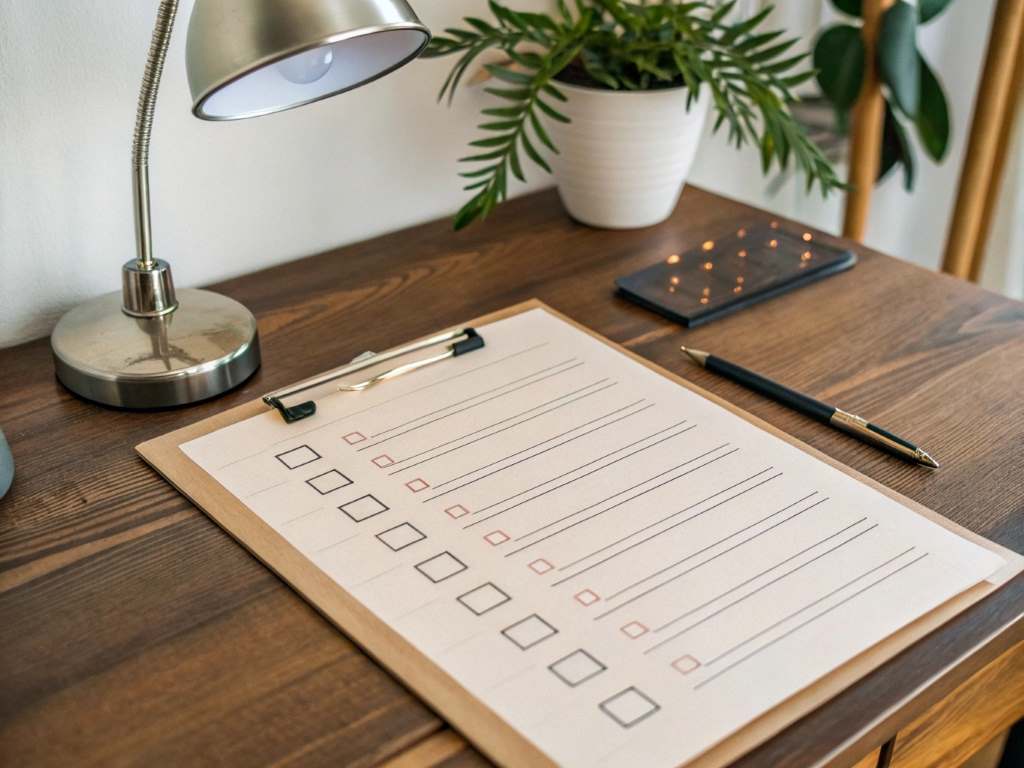
When I stood outside my dream home, a cozy bungalow with a red door, my heart raced. But doubt crept in. Was I ready? Could I afford it? The real estate agent’s words blurred as fear took over. This is first-time buyer paralysis—a mix of excitement and overwhelm that freezes you. According to the National Association of Realtors, 32% of first-time buyers in 2024 felt stuck before purchasing. You’re not alone. This checklist, born from my journey and expert insights, will guide you through the fog. With clear steps, you’ll move from hesitation to confidence. Let’s turn your dream into reality.
Understanding First-Time Buyer Paralysis
First-time buyer paralysis happens when fear and uncertainty halt your home-buying process. It’s not just nerves; it’s a mental block. You might worry about finances, market timing, or choosing the wrong home. A 2023 Zillow survey found 65% of first-time buyers delayed decisions due to anxiety over costs. I remember obsessively checking mortgage rates, convinced I’d miss the “perfect” moment. This paralysis often stems from information overload or lack of clarity. Recognizing it is the first step. By breaking the process into manageable tasks, you regain control. This checklist simplifies each stage, ensuring you move forward with purpose. Start by accepting that no decision is perfect—progress matters more.
Step 1: Assess Your Financial Readiness

Before house hunting, know your financial limits. This step prevents heartbreak over unaffordable homes. Check your credit score; a 2024 Experian report says scores above 700 secure better mortgage rates. I used a free credit tool and found errors, which I fixed to boost my score. Next, calculate your debt-to-income ratio—lenders prefer it below 36%. Create a budget, factoring in mortgage payments, taxes, and maintenance. Use online calculators from sites like Bankrate for accuracy. Save for a down payment; 20% is ideal, but 3-5% works for FHA loans. Finally, get pre-approved for a mortgage. This shows sellers you’re serious and narrows your search. These actions build a solid foundation, reducing financial fears.
- Check credit score: Use free tools like Credit Karma.
- Calculate debt-to-income ratio: Aim for under 36%.
- Save for down payment: Target 3-20% of home price.
- Get pre-approved: Contact lenders early.
Step 2: Define Your Must-Haves
A clear vision prevents distraction. List your non-negotiables: location, size, or features like a backyard. I wanted a home near my office with two bedrooms. Writing this down kept me focused. Consider your lifestyle—do you need a garage or public transit access? A 2024 Redfin study shows 40% of buyers regret ignoring their must-haves. Rank priorities by importance. Be realistic; you may not afford everything. Research neighborhoods using tools like Zillow for crime rates and school quality. Visit areas at different times to gauge vibe. This clarity stops you from chasing every listing. Instead, you’ll target homes that fit your life, saving time and reducing stress.
- List priorities: Include location, size, and features.
- Research neighborhoods: Check safety and amenities.
- Visit areas: Test commute and atmosphere.
- Rank needs: Focus on top three must-haves.
Step 3: Build a Support Team
You don’t have to navigate this alone. A strong team—realtor, lender, and home inspector—eases the process. My realtor, Jane, explained jargon and negotiated fiercely. Choose a realtor experienced with first-time buyers; check reviews on Realtor.com. Your lender should offer clear terms; compare rates from at least three. A 2023 CFPB study found buyers who shopped lenders saved $1,200 annually. Hire a home inspector to catch hidden issues—leaky roofs cost thousands. Ask friends for referrals or check Angie’s List. Communicate openly with your team. Their expertise counters paralysis by providing clarity. With their guidance, you’ll feel supported, not overwhelmed.
- Hire a realtor: Seek first-time buyer experience.
- Compare lenders: Get at least three quotes.
- Find an inspector: Ensure thorough checks.
- Communicate clearly: Share goals and concerns.
Step 4: Master the Home-Buying Process
Understanding the process demystifies it. Start with house hunting—attend open houses and take notes. I fell for a fixer-upper but learned it needed $30,000 in repairs. Make offers with your realtor’s help; include contingencies for inspections. A 2024 NAR report says 80% of first-time buyers used contingencies. Once your offer is accepted, schedule inspections. Review disclosures for issues like past floods. Lock in your mortgage rate early to avoid surprises. Finally, close the deal—sign papers and get keys. Each step builds momentum. By knowing what’s next, you’ll avoid feeling lost. Stay organized with a timeline and checklist.
- Attend open houses: Note pros and cons.
- Make offers: Include inspection contingencies.
- Schedule inspections: Catch costly repairs early.
- Lock in rates: Secure financing promptly.
Step 5: Manage Emotional Overwhelm

Emotions can derail decisions. Fear of mistakes or pressure to act fast fuels paralysis. I nearly backed out when bidding wars stressed me out. A 2023 Psychology Today article suggests mindfulness to stay grounded. Pause before decisions—sleep on big choices. Talk to trusted friends or your realtor for perspective. Set boundaries; don’t rush because of market hype. Practice self-care, like walks or journaling, to clear your mind. If overwhelmed, revisit your must-haves. This refocuses you on what matters. By managing emotions, you’ll make rational choices, not fear-driven ones. Confidence grows when you trust your process.
- Practice mindfulness: Use breathing exercises.
- Pause before deciding: Avoid impulsive choices.
- Seek perspective: Consult trusted advisors.
- Set boundaries: Don’t bow to pressure.
Step 6: Plan for the Future
Buying a home isn’t the end—it’s a beginning. Plan for ownership costs: maintenance, taxes, and insurance. A 2024 HomeAdvisor study estimates $10,000 yearly for upkeep. I budgeted $500 monthly for repairs, which saved me when my furnace broke. Build an emergency fund; aim for 3-6 months of expenses. Learn basic home maintenance to cut costs—YouTube tutorials are gold. Consider resale value; homes in good school districts hold value, per Redfin. Finally, enjoy your home. Host a housewarming or paint a room. Planning ahead prevents post-purchase stress. You’ll feel proud, not paralyzed, as a homeowner.
- Budget for upkeep: Save $500-$1,000 monthly.
- Build emergency fund: Cover 3-6 months.
- Learn maintenance: Watch DIY videos.
- Think resale: Choose high-value areas.
Conclusion
My red-doored bungalow is now home, but the journey wasn’t easy. First-time buyer paralysis is real, yet conquerable. This checklist—financial prep, clear priorities, a strong team, process mastery, emotional balance, and future planning—turns overwhelm into action. You don’t need perfection; you need progress. According to the NAR, 87% of 2024 first-time buyers felt fulfilled post-purchase. You can too. Take one step today: check your credit or list your must-haves. Share your story in the comments or pass this guide to a friend. Your dream home awaits—go claim it.
FAQs
What is first-time buyer paralysis?
It’s the fear and overwhelm that stops first-time homebuyers from deciding, often due to financial or market concerns.
How can I afford a home as a first-time buyer?
Check your credit, save for a 3-20% down payment, get pre-approved, and budget for ongoing costs.
Why is a realtor important for first-time buyers?
A realtor guides you through the process, negotiates offers, and explains complex terms, saving time and money.
How do I avoid emotional overwhelm when buying a home?
Practice mindfulness, pause before decisions, seek advice, and stick to your must-have list to stay focused.
What costs should I expect after buying a home?
Plan for maintenance ($10,000/year), taxes, insurance, and an emergency fund for 3-6 months of expenses.